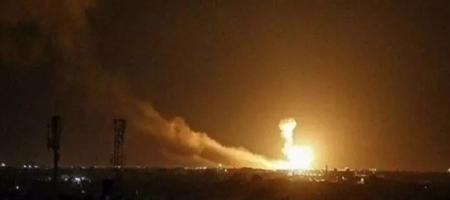
Five Kurdish citizens from Kohgiluyeh and Boyer-Ahmad Province, who were arrested during the 12-day war between Iran and Israel, have been sentenced to a total of nearly 48 years in prison in a joint case by Branch 102 of the Criminal Court II of Kohgiluyeh County.
The verdicts were recently delivered to the defendants.
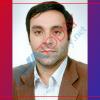
According to reports by human rights sources, Feyzollah Azarnoush was sentenced to 23 years in prison, Milad Karimi-Nasab to 11 years, Amirhossein Mohseni-Pour to eight years, Mehdi Karami to five years, and Hamid Dastvaneh to one year of discretionary imprisonment.
The charges against them include “forming a group with the intent to act against national security,” “propaganda against the regime,” “insulting religious sanctities and the Supreme Leader,” “incitement to unrest,” and other security-related accusations.
These five individuals were arrested in June and July 2025, during a wave of detentions amid the Iran–Israel war, by security forces, and were later temporarily released on bail. Feyzollah Azarnoush is a member of a justice-seeking family and the father of Pedram Azarnoush, who was killed during the “Woman, Life, Freedom” protests. Human rights organizations have previously expressed concern over the judicial process and the severity of the sentences issued in this case.
The repression of Kurds in Iran has for decades been a structural component of the government’s security-driven and discriminatory policies.
It manifests in widespread arrests, harsh political charges, executions, militarization of cities, severe cultural and linguistic restrictions, and continuous pressure on civil, cultural, and labor activists.
Kurdish regions are persistently affected by structural poverty, economic deprivation, and violent actions by security forces, and any peaceful demand for equal rights, cultural identity, or social justice is often met with repression, imprisonment, and intimidation—reflecting widespread human rights violations and the denial of the collective rights of Kurds in Iran.