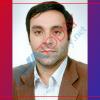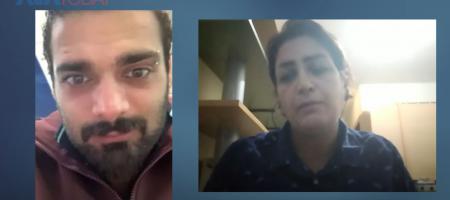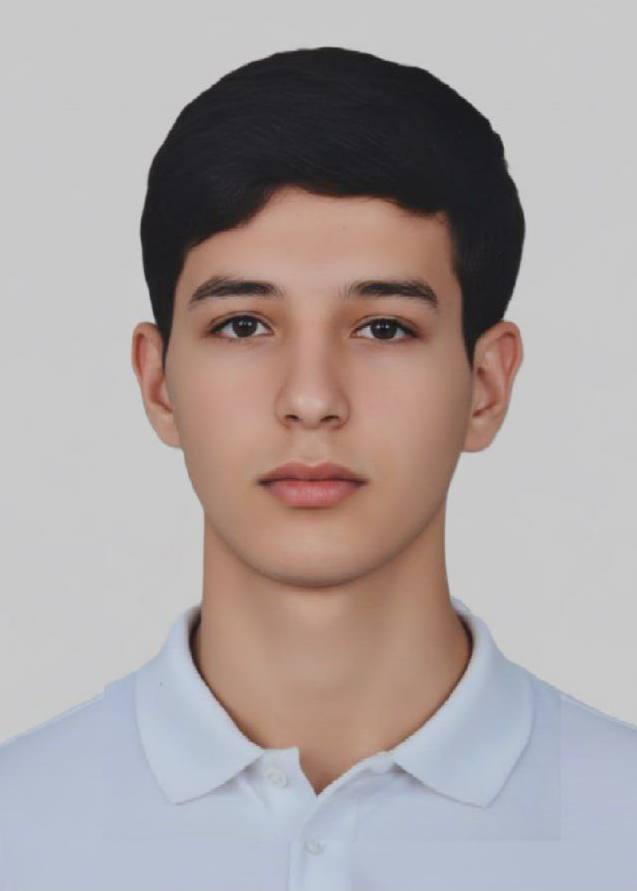
Amir Raisian, an attorney, has revealed details of the case of Ehsan Hosseinipour Hesarloo, a 19-year-old man facing charges of “arson at Seyyed al-Shohada Mosque in Pakdasht” and “participation in the killing of two Basij members” — Ali Akbar Zarei and Taha Azizi — during the nationwide protests of January 2026. The charges significantly increase the risk of a death sentence.
According to the lawyer, security agents forced a confession by placing a firearm inside Ehsan’s mouth and threatening him until he agreed to admit involvement in the mosque fire, despite the absence of any evidence linking him to the incident.
During the first two court sessions, Ehsan denied all charges, stating that his initial confession had been obtained under violence and armed threats and therefore had no legal validity. No footage from those sessions has been released. However, in the third session — which was recorded and broadcast — he appeared to confess, a shift that may reflect continued pressure and torture.
Raisian also pointed to major contradictions in the case. Ehsan was reportedly arrested at 9:30 p.m. on January 8, 2026, while the mosque fire began around 10:30 p.m. — raising the question of how someone already in custody could have carried out the attack.
Mobile phone location data reportedly shows that Ehsan was not near the mosque at the time the fire started. Additionally, he does not appear in any available footage from the scene, and no physical evidence or eyewitness testimony links him to the crime.
Two other defendants in the case — both 17 years old at the time of the incident — face similar charges, and the joint case against the three has been moving forward at an unusually rapid pace.
The lawyer warned that the speed of proceedings, the severe charges (“acting against national security,” “participation in murder,” and “intentional arson”), extensive state television coverage of confessions, the young age of the defendants, and the limited awareness and capacity of their families all indicate a serious possibility that authorities are preparing to issue death sentences — potentially even carrying them out before the Iranian New Year.