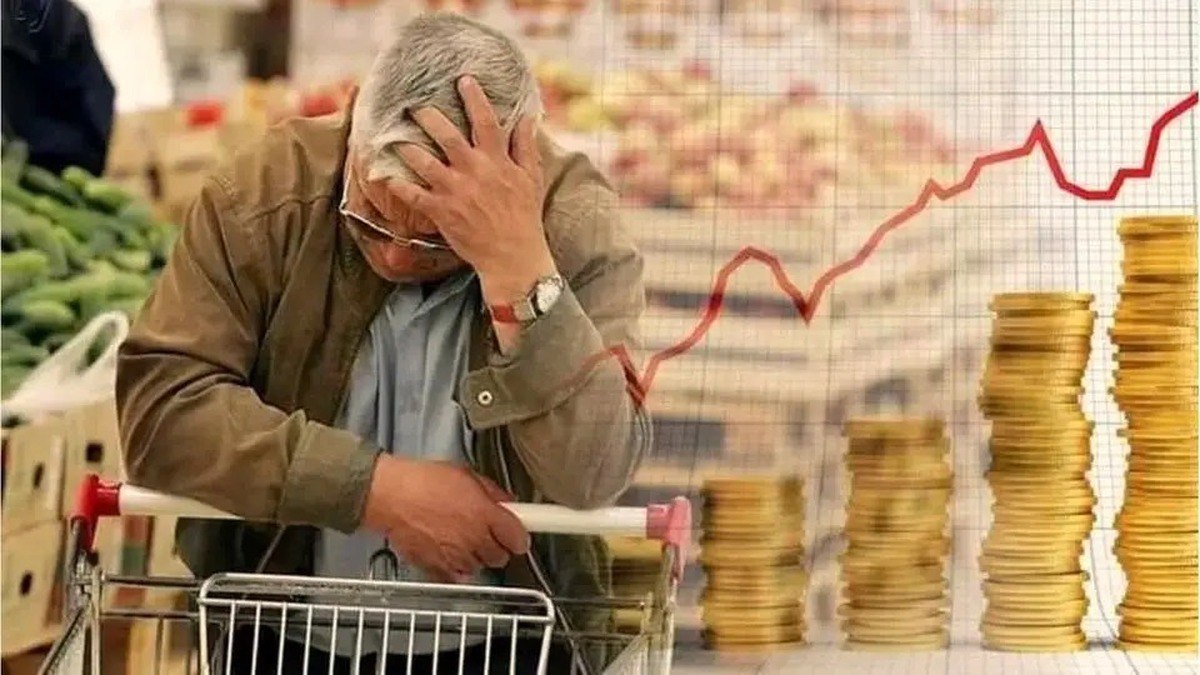
According to official reports published in Iranian state-affiliated media, food prices in Iran had experienced an unprecedented surge by February 2026, nearly doubling compared to the previous year.
Overall price trends indicate that the average cost of food items increased by more than 100 percent over the past year, with some widely consumed products rising by as much as 110 percent. Essential goods such as sugar, red meat and poultry, dairy products, legumes, and cooking oil have been among the hardest hit.
The Iranian website Baztab reported that the average price of food items in February this year was more than twice that of the same period last year. This figure becomes particularly significant considering that 38.9 percent of total household expenditures in Iran are allocated to food.
“As a simple comparison, even if all other living expenses had remained unchanged, the surge in food prices alone would have been enough to offset the entire annual wage increase — let alone the fact that other sectors have also experienced price growth of between 40 and 60 percent,” the report noted.
The latest report by the Statistical Center of Iran indicates that food groups have entered triple-digit inflation territory, raising fresh alarm bells for household livelihoods. According to reports, red meat and poultry prices rose by nearly 20 percent in the past month alone, while dairy products and legumes recorded unprecedented increases ranging from 77 to 107 percent.
Officials have cited the liberalization of exchange rates for essential goods imports, rising production costs, and overall inflation as key drivers behind the sharp increases.
Economic media outlets warn that if the current trend continues, it will not only alter consumption patterns and reduce dietary diversity, but also lead to long-term social and public health consequences. Reduced consumption of protein, dairy, and fruit could eventually be reflected in public health indicators.
Some political observers argue that the country’s deepening economic crisis is linked to the Islamic Republic’s regional role, its foreign policy confrontation with Western countries over the nuclear program, and its support for armed proxy groups.