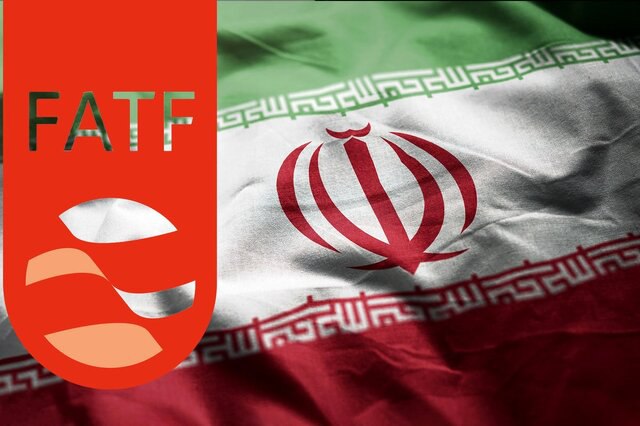
The Financial Action Task Force (FATF) announced that although Iran has recently made efforts to re-engage with the body, it has still failed to meet required standards and has not implemented the majority of its action plan. The organization emphasized that until the action plan is fully completed, Iran will remain on the list of high-risk jurisdictions subject to a “call for action.”
FATF is an intergovernmental organization that sets international standards and recommendations to combat money laundering and the financing of terrorism. Iran has been on FATF’s blacklist since 2020 due to its failure to comply with anti-money laundering (AML) and counter-terrorist financing (CFT) requirements, resulting in significant banking and financial restrictions.
Iran’s failure to ratify the United Nations Convention against Transnational Organized Crime (Palermo Convention) and the International Convention for the Suppression of the Financing of Terrorism has been a major obstacle to full compliance with FATF standards. In recent months, the Expediency Discernment Council approved conditional accession to these two conventions. However, domestic critics have warned that full implementation could affect the Islamic Republic’s financial support for regional armed groups such as Hezbollah.
For example, the newspaper Kayhan cautioned on September 30 that joining Western-dominated legal and monitoring regimes would effectively amount to handing over comprehensive financial and banking information to adversaries.
In its final statement following the plenary meeting held February 11–13, 2026, in Mexico City, FATF noted that Iran had submitted a report in January 2026 regarding the approval of the relevant UN conventions, including the Palermo and CFT conventions. Nevertheless, FATF stated that the commitments presented by Iran were “overly general and broad” and that the domestic implementation of these conventions does not yet align with the organization’s standards.