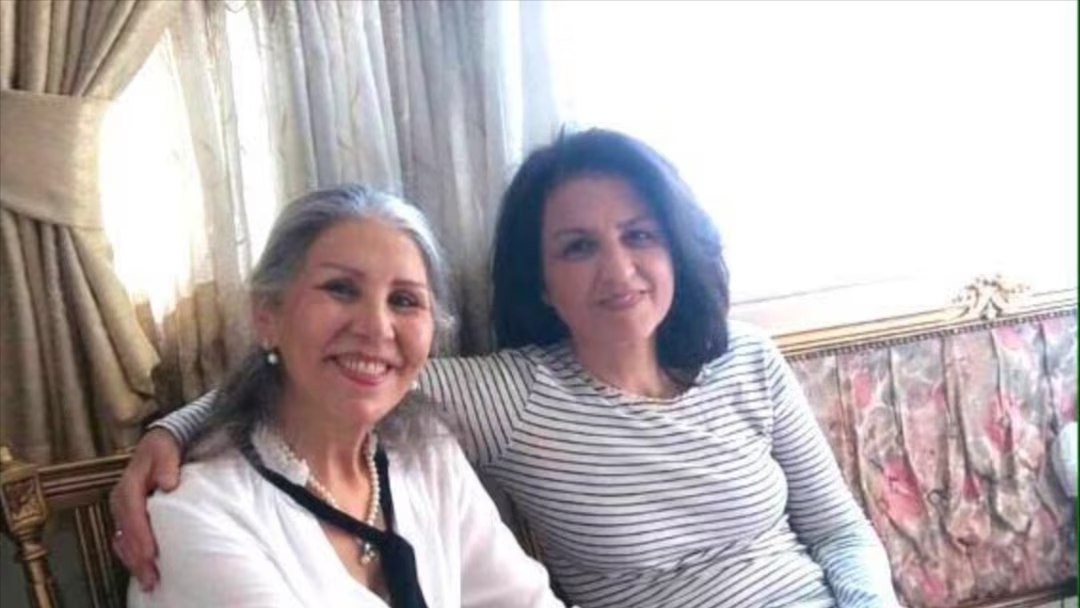
On Sunday, February 15, 2026, Fariba Kamalabadi — a former member of the leadership group of Iran’s Baha’i community known as the “Yaran-e Iran” — and Sanaz Yakta were released from Evin Prison.
Kamalabadi, who had spent years in prison, was finally freed after serving multiple long sentences. At the same time, Yakta was released based on a ruling by the forensic medical commission stating that she was medically unfit to endure imprisonment.
Ali Sharifzadeh Ardakani, an attorney, stated in a post that his client had been arrested in November 2025 and, after being sentenced to one year of discretionary imprisonment on charges of “propaganda against the state,” was transferred to Evin Prison.
Her release was carried out under Article 501 of the Islamic Penal Code, which allows suspension of a sentence when a prisoner is deemed physically unable to endure punishment due to illness or medical conditions.
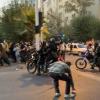
Amid the nationwide uprising against the Islamic Republic of Iran in January 2026, the U.S.-based human rights news agency HRANA reported that Iranian authorities had arrested more than 50,000 people during the crackdown on protests, with new detentions continuing.
According to the report published on February 3, at least 50,235 individuals had been detained in connection with the recent demonstrations.
The report states that among these cases, 106 student arrests, 303 forced confessions, and 11,046 summonses were recorded. It also notes that protest-related incidents were documented at 666 locations across 209 cities in all 31 provinces of Iran.