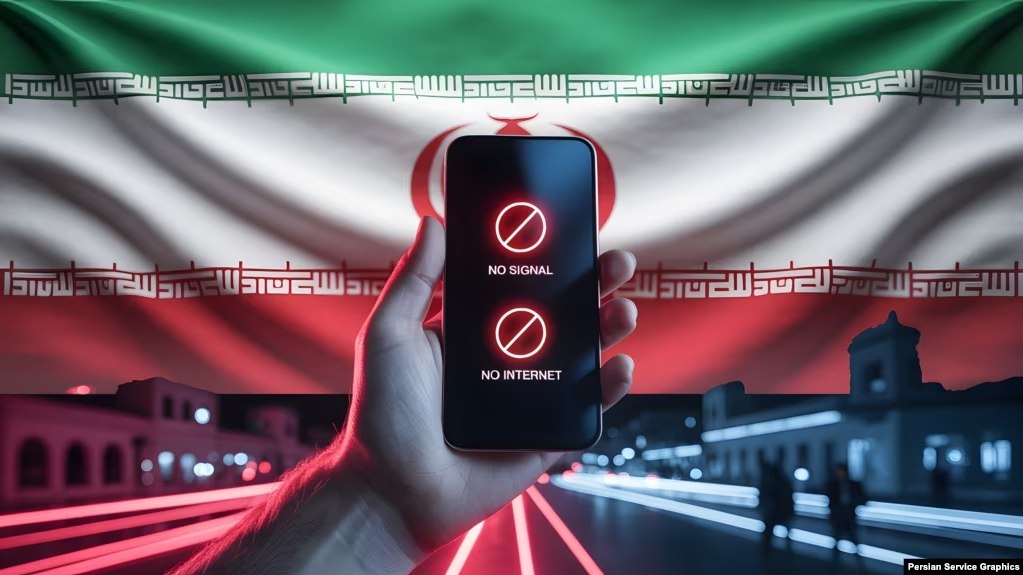
On Wednesday, May 20, NetBlocks, the internet monitoring organization, announced that Iran’s widespread internet shutdown had entered its 82nd day, with the country still largely disconnected from the global internet after 1,944 hours.
The organization stated that at a time when even a few minutes of internet disruption can create major problems, Iran continues to set new records in digital communication shutdowns. According to NetBlocks, the situation has devastated citizens’ livelihoods and steadily eroded their rights.
The economic consequences of the outage are now being acknowledged by some government officials as well. Abdolkarim Hosseinzadeh, Vice President for Rural Development and Deprived Areas Affairs, criticized the state of internet access, saying: “The internet situation has wreaked havoc on eco-lodges and rural tourism businesses.”
He also emphasized that many rural businesses have been destroyed and said that the government, the state, and responsible authorities should work toward restoring internet access to normal conditions. Iran’s state news agency IRNA also described the restoration of international internet access as “the demand of the people and the president’s directive.”
In another part of his remarks, Hosseinzadeh criticized those who, in his words, promote a “one-sided narrative” by claiming that the internet would never return to pre-war conditions. He said that the internet “absolutely” should return to normal.
These remarks come at a time when internet restrictions in Iran are no longer merely a communications issue; they have become a direct matter affecting livelihoods, sales, tourism, home-based businesses, eco-tourism centers, and economic activity in deprived regions.
At the same time, the government itself cannot solely position itself as a critic. President Masoud Pezeshkian, as head of state, also chairs the Supreme Council of Cyberspace, one of the main bodies responsible for policymaking and decision-making regarding Iran’s digital sphere.