A 50-year-old man in Mashhad brutally murdered his former wife in front of their daughters by stabbing her multiple times before fleeing the scene. According to Iranian state media, the incident took place on Wednesday, September 10, in the Motahari Shomali district of Mashhad, northeastern Iran.
The victim, a 40-year-old woman, had reportedly been threatened with death by her ex-husband prior to the attack. She died from severe stab wounds to her abdomen and side. The assailant, identified as Mehri Ali, committed the crime in front of his children and remains at large.
This tragedy follows another femicide reported on Saturday, August 31, when a 45-year-old man in Tehran’s Chitgar district shot dead his wife and 13-year-old daughter.
Femicide in Iran is a growing and deeply disturbing phenomenon rooted in patriarchal social structures and strict interpretations of Islamic culture and Sharia law. Instead of protecting women, this framework often justifies or even legitimizes violence against them. Within this system, the laws of the Islamic Republic are not only ineffective as deterrents but, by prescribing light sentences and endorsing concepts such as “honor,” effectively perpetuate family killings and misogyny.
Experts stress that femicide in Iran is not merely a social crisis but a mirror reflecting the policies and conduct of the regime, which by disregarding women’s human rights has normalized repression and violence within society.
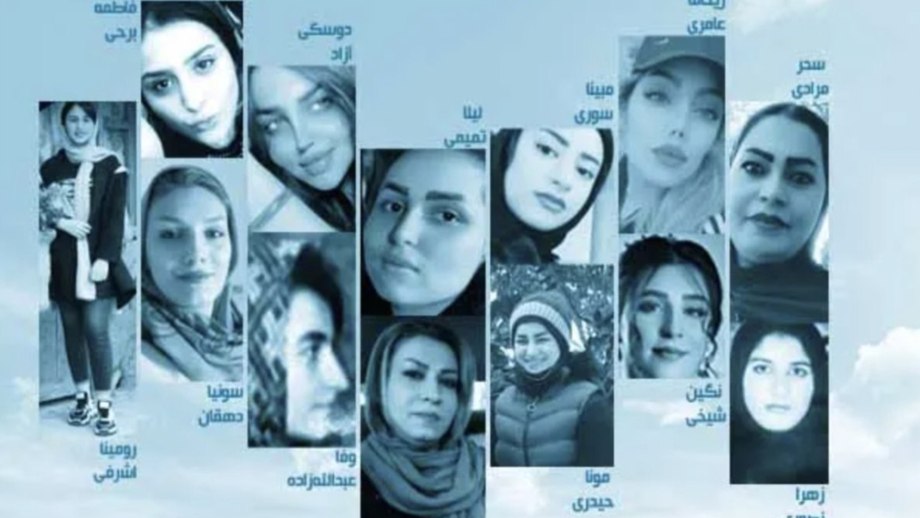
Over the past decade, femicide has sharply increased. Human rights organizations reported at least 191 cases in 2024, most carried out by close male relatives. Media accounts show that in the first quarter of 2022–2024, at least 85 women and girls were killed by husbands, fathers, or brothers. Annual data indicates 156 cases in 2023, while the first half of 2024 saw a nearly 60% increase compared to the same period the previous year.
Investigations also reveal that many killings are underreported in the media and often downplayed in the judicial system under terms such as “family dispute” or “honor killing,” meaning they are rarely prosecuted with the seriousness they deserve.
Today, Iran faces a profound moral collapse fueled by systemic repression, human rights violations, and severe economic hardship. Arbitrary arrests, torture, censorship, and widespread use of the death penalty have eroded core values such as justice, dignity, and respect for life. Simultaneously, an economic crisis marked by 60–90% inflation, currency collapse, soaring prices of basic goods, and an estimated 80% of the population living in poverty, has further strained Iranian society. Youth and women face particularly alarming unemployment rates, especially in the poorer Kurdish provinces. This economic despair has eroded public trust in state institutions and heightened the sense of insecurity across the country.
As a result, a toxic combination of political and cultural repression, moral disintegration, and deep economic crisis has created fertile ground for violence. Domestic and social violence are on the rise, with femicide standing out as the most visible symptom. This trend reflects not only psychological and economic pressures but also stems directly from anti-women laws of the Islamic Republic and a patriarchal culture institutionalized in Iran’s legal and social order. By legitimizing notions such as “honor” and issuing lenient sentences for so-called “honor killings,” the state actively fuels misogyny and perpetuates violence against women.
Report by Shahram Mirzaei