Reports from Iran indicate that during the violent suppression of nationwide protests, the Islamic Republic has arrested, summoned, and threatened doctors and medical staff who treated protesters wounded by live ammunition and pellet guns.
Human rights activists describe these actions as the “hostage-taking of medical personnel,” calling them a blatant violation of medical ethics, physicians’ professional oaths, and international law.
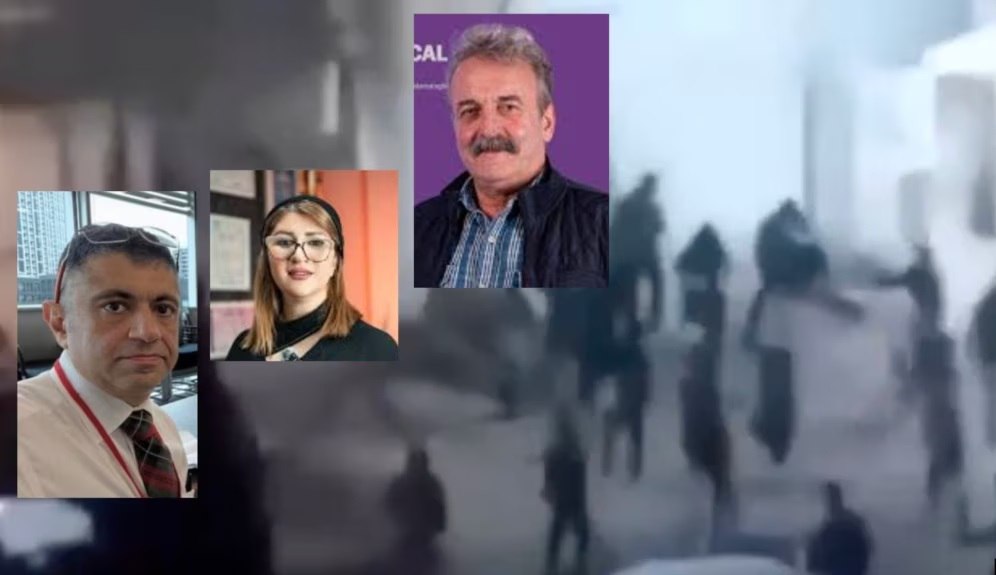
According to these reports, Dr. Farhad Nadeali, a specialist physician and orthopedic surgeon in Gorgan, was arrested after protesting the killing of civilians and providing medical treatment to injured protesters, and was transferred to an undisclosed location.
Dr. Alireza Golchini, a general surgeon in Qazvin, was arrested for providing medical assistance to injured protesters and speaking out against the crackdown.
Dr. Ameneh Soleimani, a physician in Ardabil, was also arrested following her support for protesters and treatment of the wounded.
Local sources report that the families of these doctors have received no information regarding their place of detention, legal status, or the charges against them.
Additionally, reports from Lahijan indicate that several doctors and nurses have been summoned by security agencies for treating patients wounded by pellets and bullets. According to informed sources, some of them were threatened with fabricated legal cases and professional bans and were warned not to continue providing medical care to injured protesters.
Beyond direct pressure on medical personnel, the abduction of injured protesters—referred to by activists as “injured abductions”—has become a recurring pattern by Islamic Republic security forces during this wave of protests. In such cases, injured individuals are taken from medical centers or denied access to life-saving treatment.
Among the reported cases is Nastrin Abdollahi, a student at Amirkabir University, who was allegedly abducted by security forces after being transferred to a hospital and later lost her life.
In another case, Hossein Salahi, a 49-year-old auto body repairman, married and a father, was shot in the side with live ammunition on the night of January 9 (19 Dey). His family reports that two armed agents stood over him at Vali-Asr Hospital in Ghaemshahr and prevented proper medical treatment, leading to his death from severe bleeding.
Similarly, Elina Hojjati, a 23-year-old microbiology student, was shot in Tehran on January 8 (18 Dey) and transferred to hospital. Reports indicate that she urgently required a blood transfusion until the morning of January 9, but this was not provided; three days later, her body was found among other corpses.
In response to these actions, more than 4,000 doctors have signed a protest campaign condemning the lethal violence against protesters and the internet shutdown.
Citing their medical oath and professional obligations, they have called for urgent and independent action by international bodies, including the United Nations and the World Medical Association, to protect civilian lives and ensure the safety of medical personnel.
These developments come amid earlier reporting by Time magazine on January 25 (5 Bahman), which stated that up to 30,000 people may have been killed on the streets during just two days—January 8 and 9. Human rights activists stress that pressure on doctors, the abduction of the wounded, and the obstruction of medical treatment are part of a broader repression strategy aimed at concealing the true масш of the killings and eliminating medical evidence.