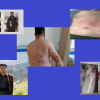
Sasan Khanzadeh, a Gilak political prisoner arrested during the “Jin, Jiyan, Azadi” (Women, Life, Freedom) uprising and sentenced to three years and one day in prison, has already spent more than a year behind bars. For several months, he has been forced to wear an electronic ankle monitor, restricting his movement to within a one-kilometer radius, while being obliged to pay 900,000 tomans per month to the judiciary for its upkeep.
According to informed sources, Khanzadeh applied for conditional release three months ago, but the presiding judge has neither responded to the request nor agreed to meet him. At the same time, those who posted his bail have come under pressure and been threatened that their collateral may be confiscated.
This state of limbo continues while Khanzadeh urgently needs to work in order to provide for himself and support his elderly parents. Judicial and security pressures on him and his family have placed their lives under severe strain.
According to reports by Iranian human rights organizations, since the beginning of this year at least 822 individuals with verified identities have been arrested for civil or political activities. Five political activists have been sentenced to death, and dozens of others have received lengthy prison terms.
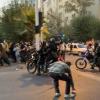
Meanwhile, a report by the UN Independent Fact-Finding Mission on Iran highlights the systematic use of extrajudicial arrests, torture, “enforced disappearances,” and prosecutions without access to legal representation against human rights defenders, women, and ethnic and religious minorities. Furthermore, in 2022, at the height of the “Jin, Jiyan, Azadi” uprising, approximately 19,262 people were arrested in cities and universities across Iran.